
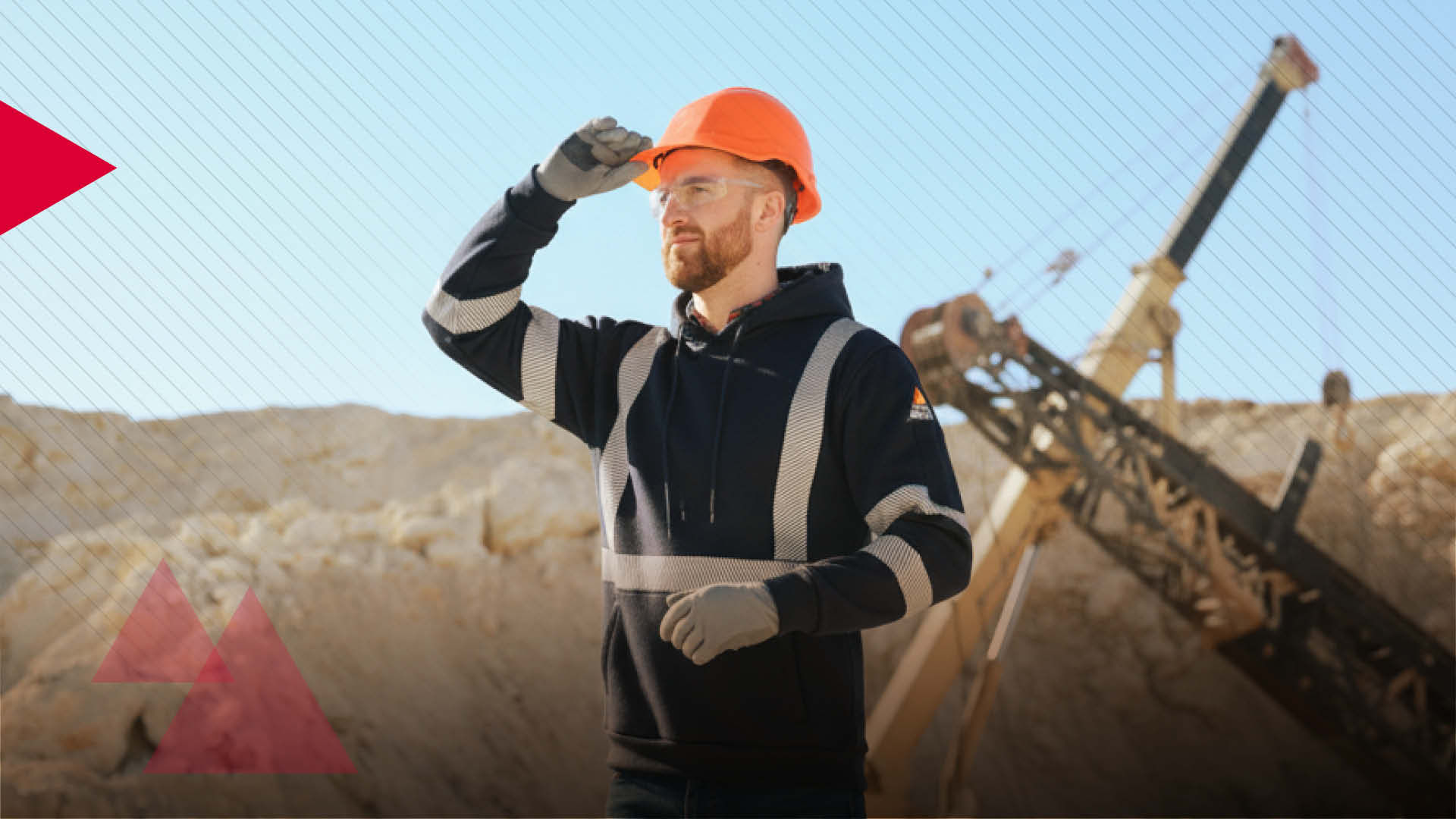
In high-risk industries such as oil and gas, electrical, and manufacturing, choosing the right flame resistant (FR) apparel is essential. The right garments protect workers against flash fires, arc flashes, and other heat hazards, but they also need to stay comfortable during long shifts. This guide walks through the key factors to consider when selecting FR clothing and highlights how different fabrics perform in demanding environments.
Why choosing the right FR apparel matters
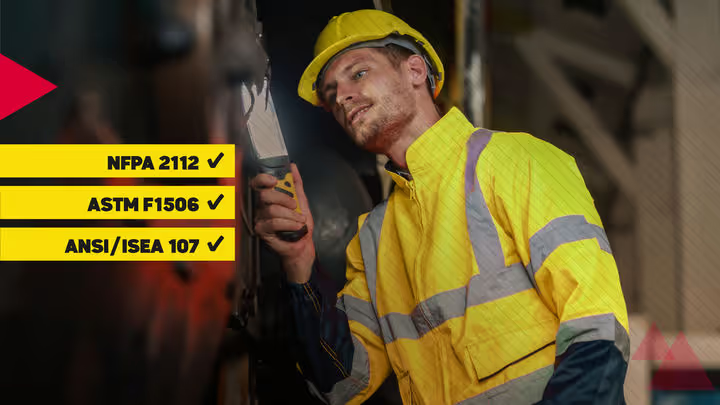
Workers in construction, utilities, fabrication, and oil and gas face real fire hazards every day. Employers are responsible for selecting FR workwear that meets critical safety standards such as NFPA 2112 for flash fire protection, NFPA 70E for arc flash hazards, and ASTM F1506 for FR fabric performance. Meeting these standards is essential to maintaining compliance and creating a safe, well-protected workforce.
Understanding the hazards first
Before choosing any FR garment, it's important to understand the type of fire or heat hazards involved. Flash fires, arc flashes, and radiant heat all behave differently, which means the fabric must match the environment.
- Flash fires, common in oil and gas, require clothing that self-extinguishes quickly.
- Arc flashes, found in electrical work, demand apparel that can withstand sudden bursts of intense heat and energy.
- General fire hazards in construction or fabrication require dependable, everyday FR fabrics that remain comfortable through long, active shifts.
Matching the garment to the hazard is always the first step.
Key factors that influence the right choice
Choosing the right FR apparel involves more than just identifying the hazard. Comfort, durability, mobility, climate, and layering options all play a role.
- Workers in hot climates need breathable fabrics.
- Cold-weather teams rely on warm, insulating layers.
- High-movement jobs need flexible materials that don’t restrict motion.
- Long shifts demand fabrics that stay soft against the skin.
The best FR apparel is the clothing workers willingly wear because it supports both comfort and safety.
FR Cotton: reliable, breathable protection
FR cotton is widely used because it balances everyday comfort with dependable flame protection. It is treated to ensure flame resistance, making it suitable for warm environments or high-activity roles where breathability matters.
Workers appreciate the softness during long shifts, and employers value the consistent performance. It’s a strong choice for general industrial work where compliance and comfort need to coexist.
Modacrylic blends: inherent flame resistance
Modacrylic blends offer inherent flame resistant properties, meaning the protection is built into the fibre itself. This feature is important because it ensures the flame resistance will never wash out or fade over time, unlike chemically treated alternatives. These fabrics do not melt or drip when exposed to heat, and they deliver strong protection for workers in environments where fire hazards are part of daily operations.
Modacrylic is often blended with cotton to improve comfort and durability, which creates a versatile fabric suitable for a variety of industries.
Fleece: warmth without sacrificing safety
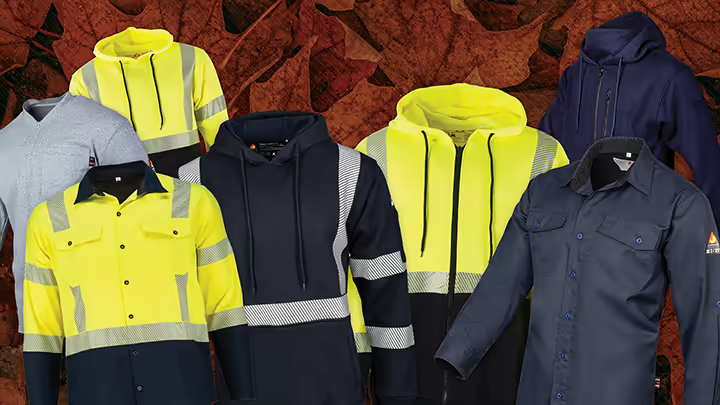
Cold environments require a different approach, and this is where FR fleece plays a valuable role. FR fleece hoodies, pullovers, and mid-layers keep workers warm while providing flame-resistant protection.
Outdoor teams, early-morning shifts, and winter crews benefit from the insulation without feeling weighed down. FR fleece gives workers the comfort they need to stay focused, even in low-temperature environments.
Balancing comfort, durability, and compliance
Choosing the right FR garment also means choosing something that lasts. FR clothing needs to be durable enough to handle repeated washing, heavy use, and harsh working conditions.
Durable FR apparel reduces replacement cycles and ensures employees are protected shift after shift. Inherent fabrics, like modacrylic blends, have their flame resistance built into the fibre. Treated fabrics, like FR cotton, maintain their protection through proper garment care and washing practices. Knowing the difference helps employers choose the most cost-effective and reliable option.
Matching the garment to the job
Selecting FR clothing becomes easier when you focus on the demands of each role. Electricians who face arc flash hazards need apparel aligned with NFPA 70E requirements. Oil and gas teams require clothing that meets NFPA 2112 for flash fire protection. Outdoor workers exposed to changing temperatures often need a combination of FR cotton base layers and FR fleece for insulation. Fabricators and construction workers typically prefer breathable FR cotton for everyday use.
The goal is always the same: choose flame resistant clothing that fits the real conditions workers face, keeping them safe and comfortable throughout the day.
Looking to supply FR apparel? Partner with Flamesafe
For distributors who want to offer dependable FR workwear, partnering with a supplier committed to comfort, durability, and compliance is essential. At Flamesafe Workwear, our range includes FR cotton, modacrylic blends, and FR fleece designed for long-lasting protection and everyday wearability.
Explore our full collection or contact us to discuss distribution opportunities.



-THUMB.jpg)
%20(2).avif)
.avif)


